Category Archives: How to

Christmas Ornament Countdown: Sequins and Pins

I just barely made it under the deadline for my ornament in our countdown. Cheri’s paper snowflakes were amazing!

This particular ornament is for me a sort of homage to some ornaments of my stepfather’s.They were popular in the 70’s to make. We have hung them on our Christmas tree for years and I have always loved them. Here is my version:

Red thread wrapped ornament with sequins and pins.

I have tons of styrofoam shapes from another craft project  that I used to do, temari balls (more on that one later), and used a 6″ egg as my base. I wrapped it in yards and yards of red thread and stitched the thread under other threads to end it. I then followed the steps for marking temari balls. The process is here, under How To, and then Dividing Hints and Help.and is a very easy process to do. This ensures that your pins are all the same distance apart from north to south.

Top view of red thread wrapped ornament with sequins and pins.

I did have a lot of fun purchasing the sequins and pins. I have never had a project that needed sequins, so now I have a selection if I ever need them in the future. The seed beads were already in my collection.

Bottom view of red thread wrapped ornament with sequins and pins.

Happy Holidays from Kristin!

Christmas Ornament Countdown: Beaded Glass Ball

Wow! Cheri’s Scrapbook Paper Balls are absolutely wonderful! Our different styles and how our imaginations work make this Christmas Ornament Countdown an excellent showcase for each of our talents.

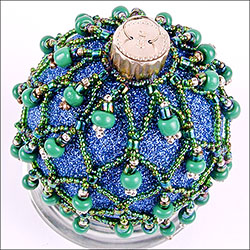
I do a lot of beading and jewelry making so it became obvious that one of my ornaments for this Countdown would be a beaded one and since blue and teal are my favorite colors, this is the inevitable outcome:

Blue beaded glass ball.

I make the mesh first and start that with a collar of beads big enough to fit around the neck of the glass ball. Then I make the first long strand about 1/2″ longer than the diameter of the ball and then start the mesh. I add the draping beads last, working at a diagonal along the mesh, which also helps to reinforce your thread. Some glue on the knots and you are good to go. It does take me about 2 days to complete one.

I learned how to make these from that wonderful magazine Bead & Button. Every December issue they have an article about making beaded ornaments with a very informative how to.

Christmas Ornament Countdown
Beaded ornament top.

The ball is just a purchased one, I did not paint it, although I have done so in the past. I just liked the color of this ball and thought that it set off the AB beads (aurora borealis) quite well.

Beaded Christmas Ornament
Beaded veil ornament


Happy Holidays from Kristin!

Christmas Ornament Countdown: Lucky Stars

Okay, so Cheri and I have started a sort of Christmas ornament creation countdown. We are each going to post a new ornament every other day for the next 16 days, which will put us at 8 each before Christmas. We both wanted to do something a little extra as our Crafty Challenges are on hold until after the holidays.

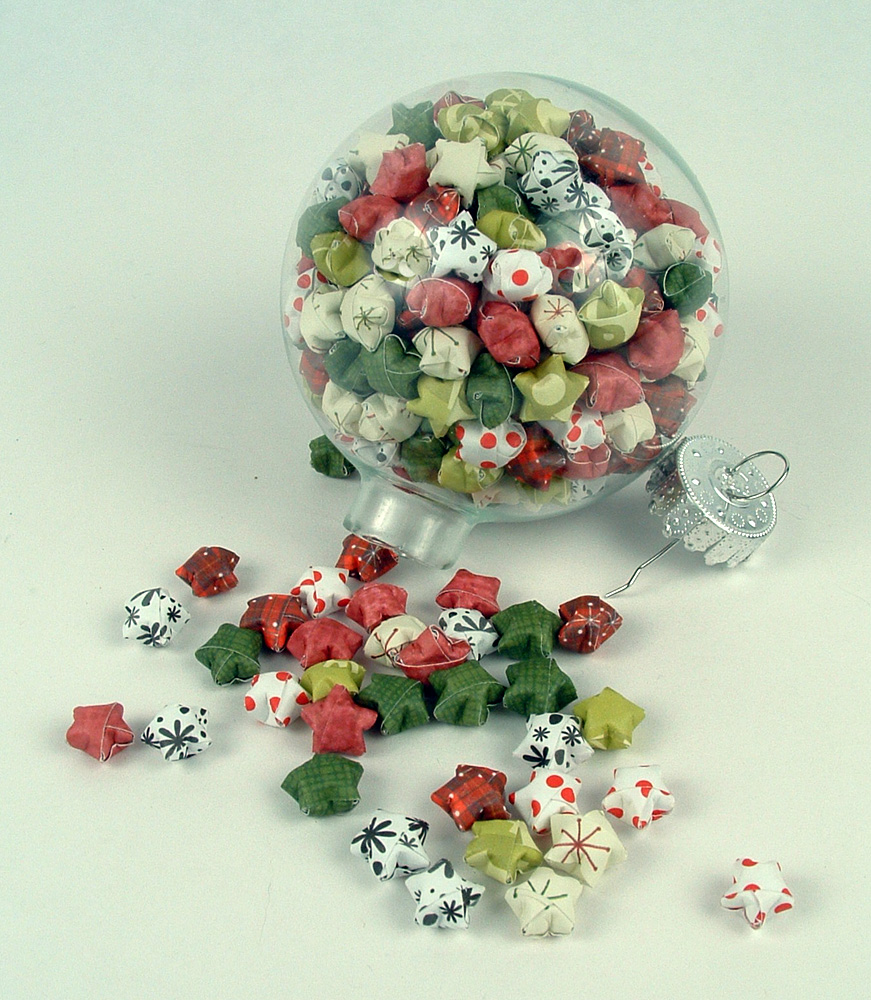
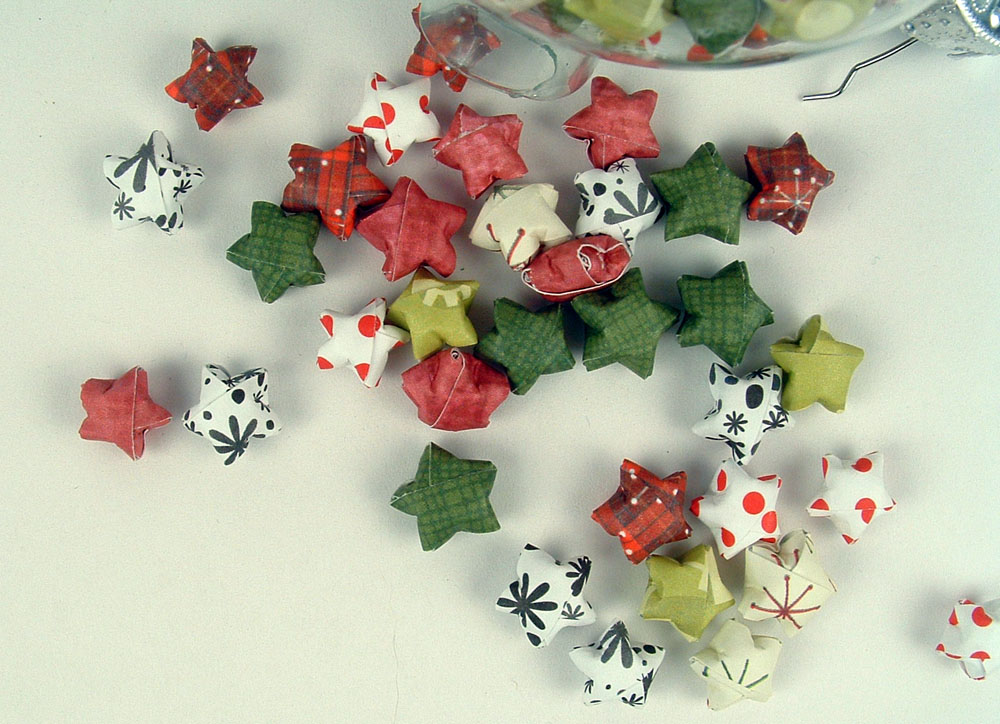
My first one posted here was actually going to be the last one I posted, but it didn’t take me nearly as long as I had first thought to finish. It is based on the paper lucky stars that seem to be everywhere now. Here is the excellent tutorial on Youtube that taught me how to make the stars if you want to make your own: Paper Lucky Stars. They are really easy to make and I found myself watching TV and folding paper stars and suddenly I was done (okay, two and a half days later I was done).

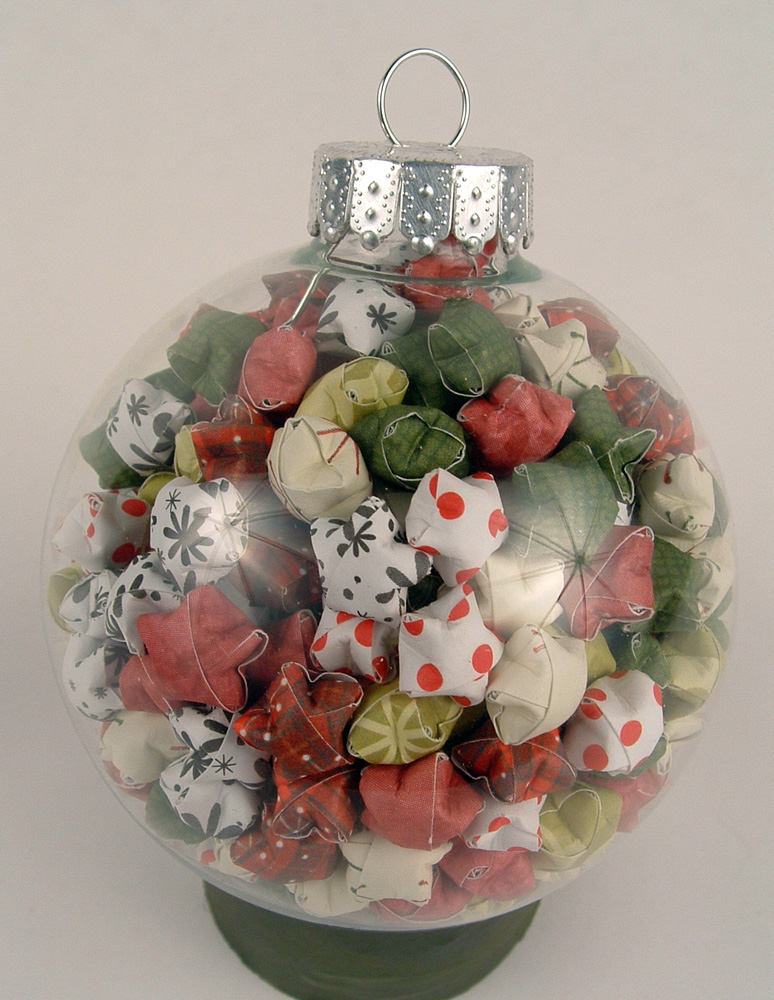
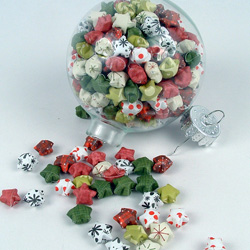
Christmas ornament full of lucky stars.
Can you guess how many stars are in the glass bulb?

I bought a clear glass ball ornament and six different colors of scrapbook paper. I used my brand new Fiskars paper cutter and cut tons of 1/4″ by 6″ strips and began my journey into stardom and this is the wonderful result! I love the effect and the sound they make when you shake the ball.

Glass ornament full of lucky stars.

Close-up view of the lucky stars.
So many lucky stars!

Glass ornament full of lucky stars.

Happy Holidays from Kristin!

Crafty Challenge 5: Star Christmas Tree Lightbulb Ornaments

Star ornament made from Christmas lights

Cheri: Well, another project come and gone. This one did not freak me out too much. I am always making little projects.

Sometimes I will see an object that I really like because it stirs up memories of being a kid. That is what happened when I bought these Christmas tree light bulbs at a garage sale a few months ago. I was drawn to the color, (pink) and I really liked the vintage feel of them too.

I knew that I would never use bulbs like these on a lighted string (who could trust them), but I still liked the look of them. They were the kind of lights we had on our tree when I was a kid. I don’t even know if these are sold anymore. They do have a tendency to get hot and really the newer, small lights are brighter.

When I saw them for 50 cents, I couldn’t think of anything to do with them at the time so I tucked them away for when an idea came.  When this project was discussed, I felt that I could possibly use the light bulbs for something. I was pretty sure what I wanted to do and I was also sure that the idea would work pretty well. All I really needed was hot glue, ( I am the Queen of hot glue).

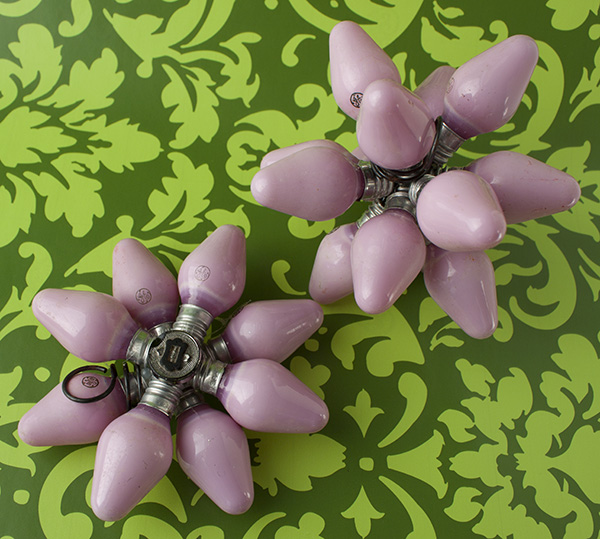
For the 14 point star ornament, I started out with glue on the metal tips and then I put one light bulb in the center on each side. I tried to do this mathematically but as I am math challenged, I decided to go by sight. It came out pretty well the first time and I knew that I really didn’t want to press my luck so I decided it looked pretty symmetrical.

For the eight point stars, I just glued 4 together and glued 4 more together and attached them. I hot-glued buttons onto them to cover the glue in the center.

I then decided I needed a hanger that was not very noticeable. In the box were 2 bulb clips, so I took one bulb off the star, attached the clip and then glued the bulb back on. This way I can attach a hook to it.

All in all I was quite pleased with the outcome and I think it will look terrific on a tree. The best thing is it was really simple and cheap. I just love it when a plan comes together.

14 point Christmas tree lightbulb star ornament.
Christmas lightbulb ornament
The back of the 14 point star ornament with hanger.
Christmas lightbulb ornament
Four lightbulbs glued together end to end into a four point star and then two of those flat stars glued together to form an eight point star.
Christmas lightbulb ornament
The back of the eight point star with a close-up of the wire hanger,

Upgrade Your Sewing: Hand Sewn Mini Pincushion

A hand sewn mini pincushion

Loryn: Even if you have a sewing machine, there are times when hand sewing can really make the difference in your sewing projects. If you would like to upgrade your hand sewing, this mini pincushion makes a great stocking stuffer while improving your skills. It looks adorable even when your sewing isn’t perfect!

The supplies you need are:

  • Small scraps of a natural fiber fabric
  • Sewing thread and needle
  • Pearl cotton embroidery thread in a contrasting color and embroidery needle
  • Two tiny buttons

The first thing to do is to pick out your fabric. I’ve used wool on this one. It’s only 1 3/4″ in diameter, so you can use up tiny scraps of fabric. I do recommend that you use natural fibers like cotton, linen, or wool for this project if you’re a beginner, as they are not too slippery. Silk and most synthetic fibers are slippery, so the layers slide out of place, something you don’t want to deal with while you’re getting your sewing chops!
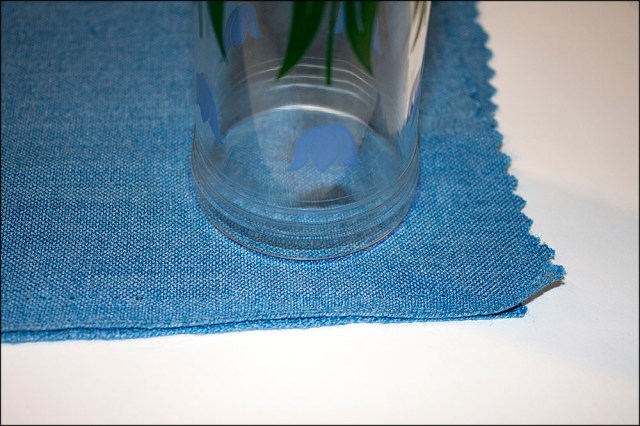
Use a glass as a template.

After you’ve picked your fabric, decide on the size. The easiest way to do this is to find a round object about the size you want to use. My favorite round template is this vintage juice glass, which is 1 3/4″ in diameter. Double your fabric with the right sides in and trace around your object with a disappearing fabric pen or chalk pencil.
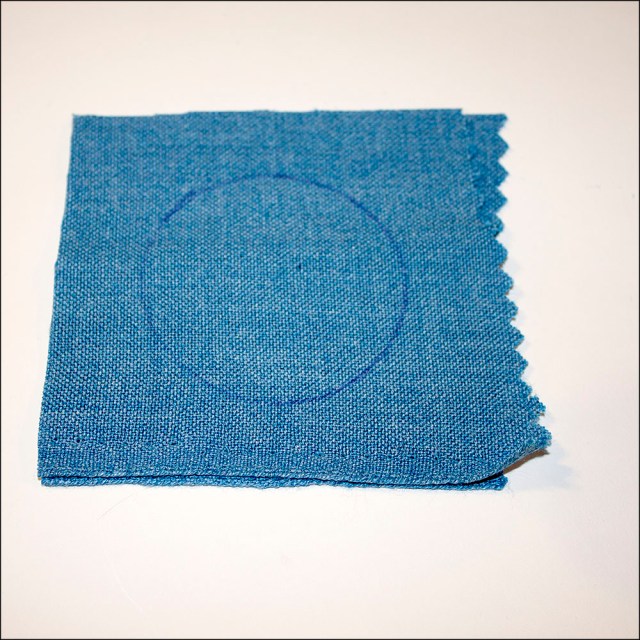
Trace a circle on your fabric.

If you haven’t already, trim the fabric down into a square with a wide hem allowance, which makes it easier to grip. We’ll cut it down to a small seam allowance after sewing. Put a pin into each corner, and you’re ready to start sewing.
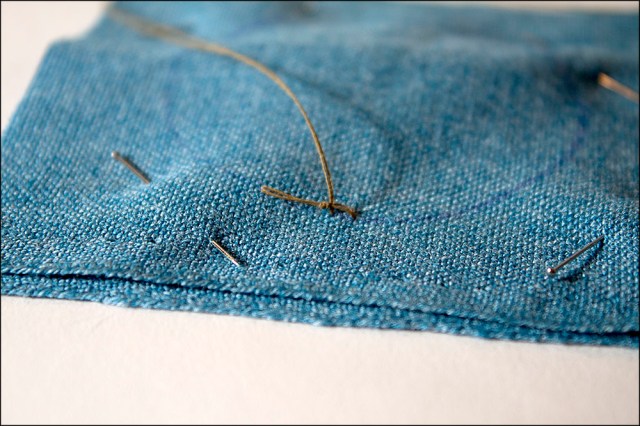
A knot to get started

Thread your needle and you’re ready to get started. I’m using contrasting thread so it photographs better. By all means use contrasting if it helps you track your stitching—it will still look great! If you want to match, here’s a good tip: if you can’t find an identical thread match, go with a greyish shade of the same color, or even medium grey if you can’t find anything close. It will fade into your fabric.

I typically use a standard doubled thread knotted at the end for basic hand sewing. If you have a problem with knots, try a product like Thread Heaven. It really does make a difference.

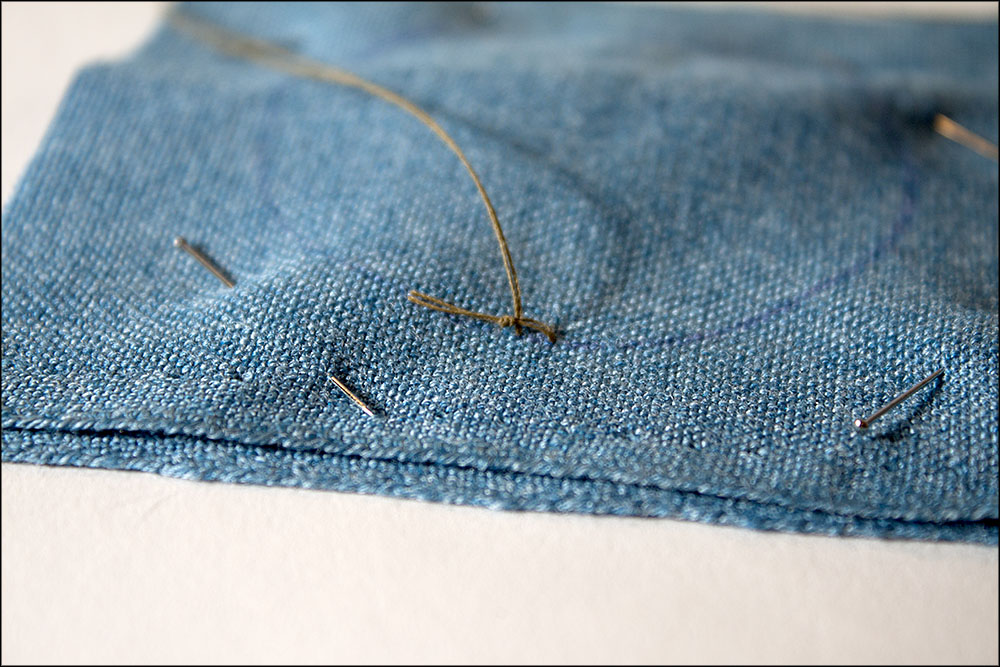
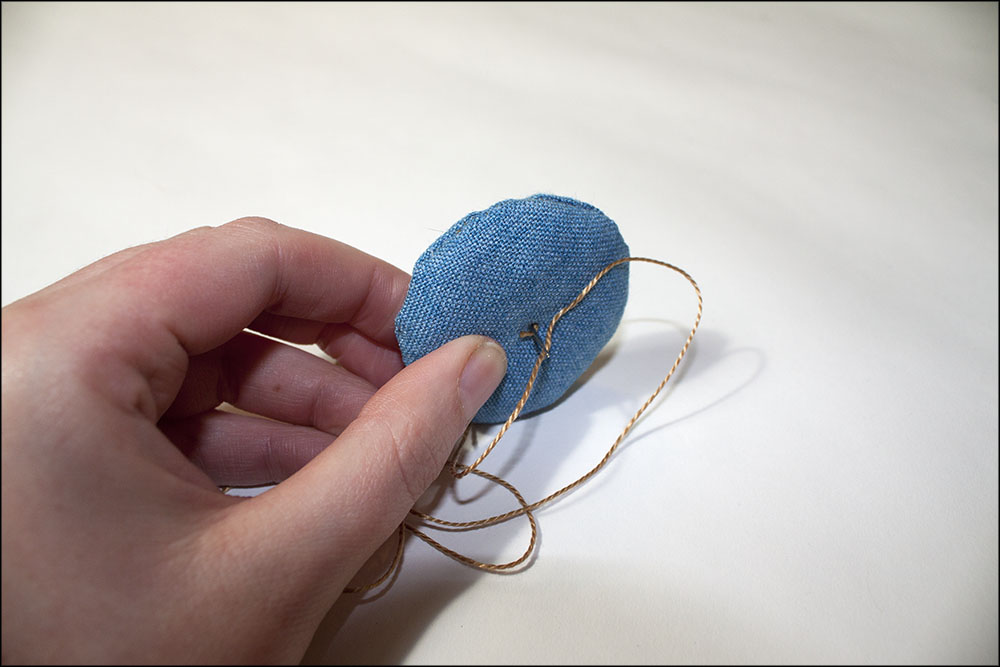
Turning and stuffing the pincushion will put a lot of pressure on the knots, so pull the knot almost snug, then bring the needle back to the top and run it through the loop that is left (see photo above). This will prevent you from pulling the knot through the fabric.

Getting started with running stitch

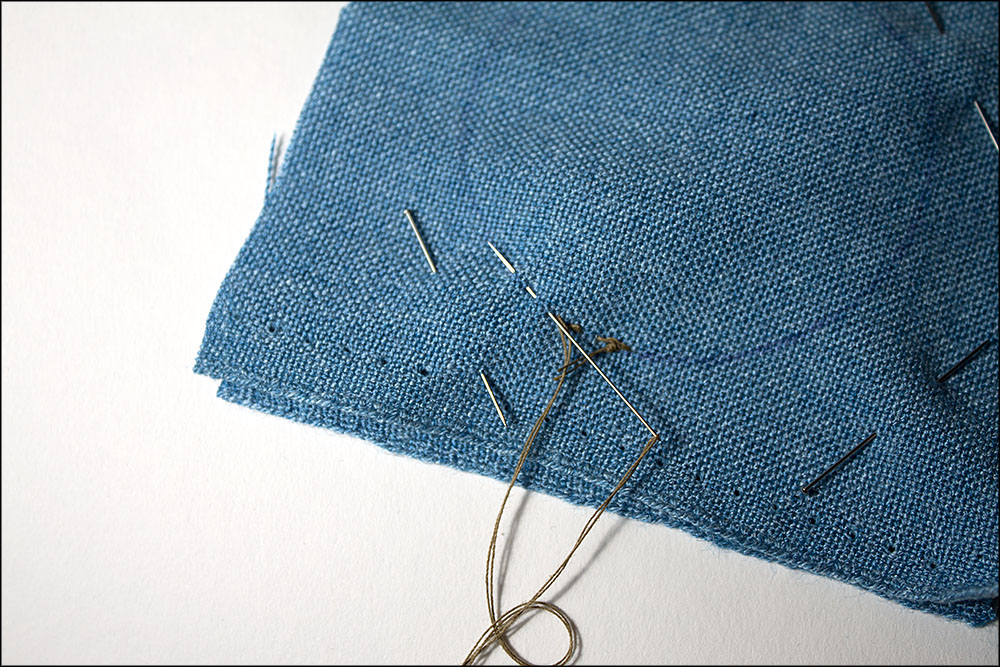
Now you’re ready to get stitching. I’m using running stitch on this project. Slide your needle under the fabric and then back to the top, making the stitches as small as you can (turn it over to make sure you caught at least a few threads on the bottom). Start by making just one stitch at a time, then move onto more as you get comfortable.

Continue working around the circle

Continue working your way around the circle, following your traced circle line. Try to stay on the line, but don’t worry about being perfect. You’re getting practice, and it will still look cute!
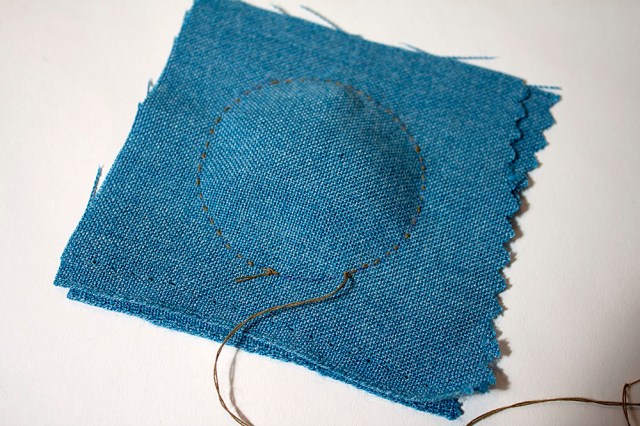
Pincushion

Leave an opening about 1/2″ wide. The smaller it is, the harder it is to turn and stuff, but the larger it is, the harder it is to slipstitch the curve of the circle. I prefer the former!

Make two slipknots with your needle. To do this, make your last stitch, then stitch again in nearly the same place, but don’t draw the thread tight. Put your needle through the loop, then draw it tight. Repeat in the same place, and don’t cut your thread yet.
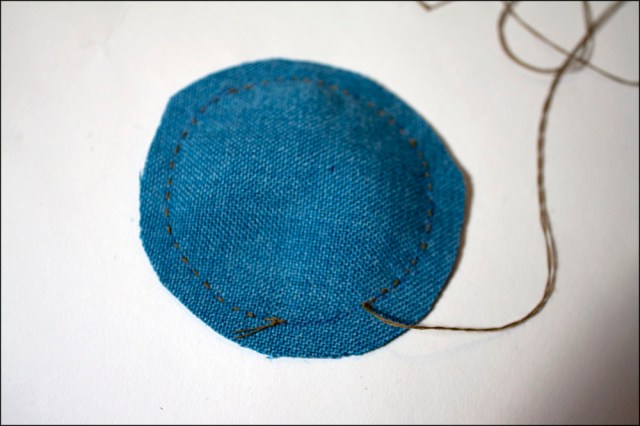
With seam allowances trimmed down.

Now you’re ready to trim the seam allowance down to about a 1/4″ (making sure not to cut your thread!).

Turning the pincushion.

Now it’s time to turn it right side out. A bodkin is a really helpful tool. It clamps shut, so you can stick it inside, grab onto the fabric, and pull it through that small hole. Bodkins are also great for threading elastic and cord through tubes, so it’s a great tool to add to your sewing box. Once it’s right side out, use the bodkin to make sure it is fully turned.

Stuffing time!

Now you’re ready to stuff it. I like to use scrap fabric, as it makes it weightier than polyester stuffing. Cut fabric remnants into small strips, and stuff them inside, using the bodkin to push them all around the pincushion. I used the fabric I trimmed off the seam allowances, plus some extras I was getting ready to throw away.
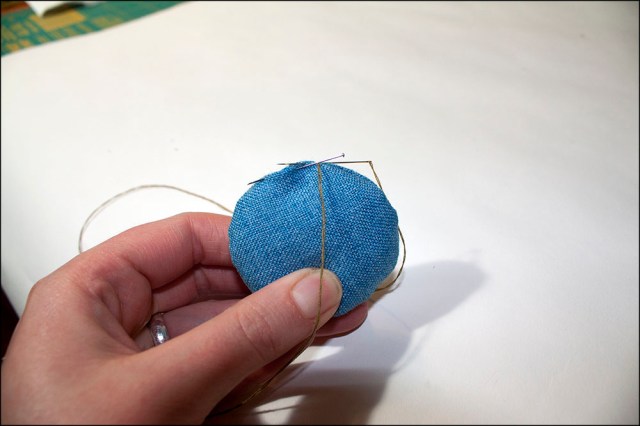
Sewing it shut

Once it’s stuffed, thread your needle to the right side, fold the seam allowances inside, and pin it in place. To slipstitch it shut, catch a small bit of fabric on the fold, alternating between sides until it is sewn shut. Make two more slipknots, and hide the thread inside the pincushion. To do this, put the needle in exactly where you make the knot, and bring it out in the middle of the cushion. Cut the thread, and wiggle the stuffing until the thread end disappears inside.
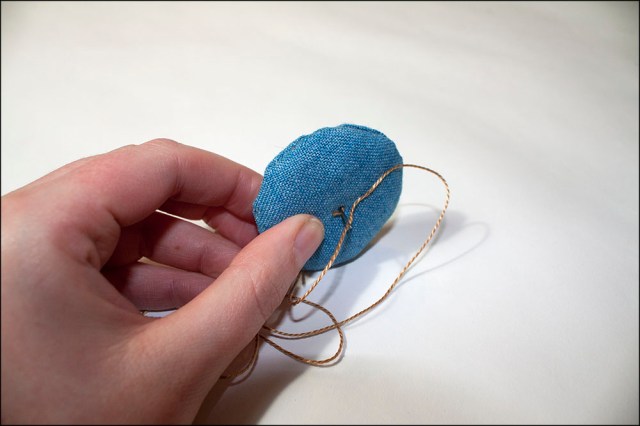
Embroidery time

Now comes the fun part—decorating! I’m using gold pearl cotton to divide the pincushion into segments. Thread about 30″ of pearl cotton into an embroidery needle, using a single strand with a knotted end. Run it through the middle of the cushion (your knot will be covered by a button later) and pull the knot snug.

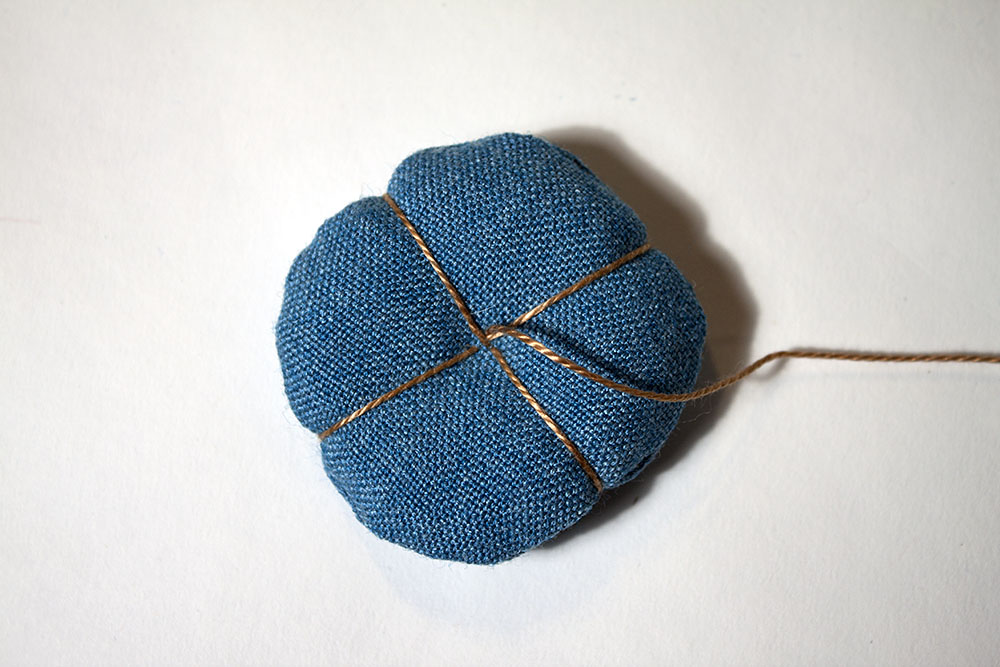
Wrap the embroidery floss around the edge of the cushion, and run it through the cushion at the same point. Pull it snug enough that the thread creates a scallop.
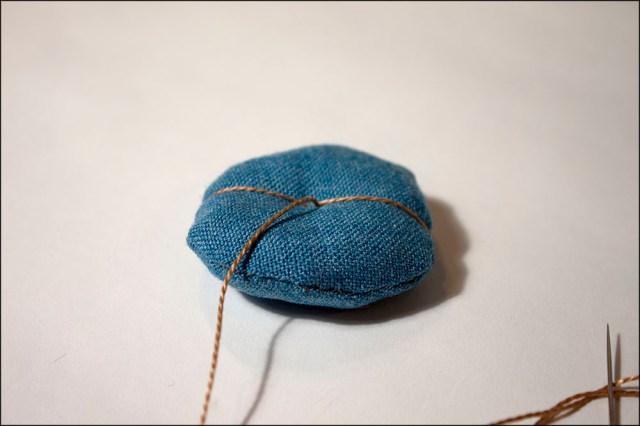
Wrap the thread around again, this time on the opposite side from your first wrap.
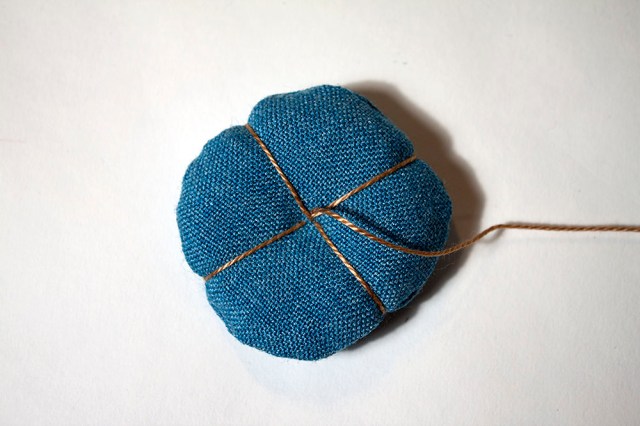
Repeat, dividing it into quarters.

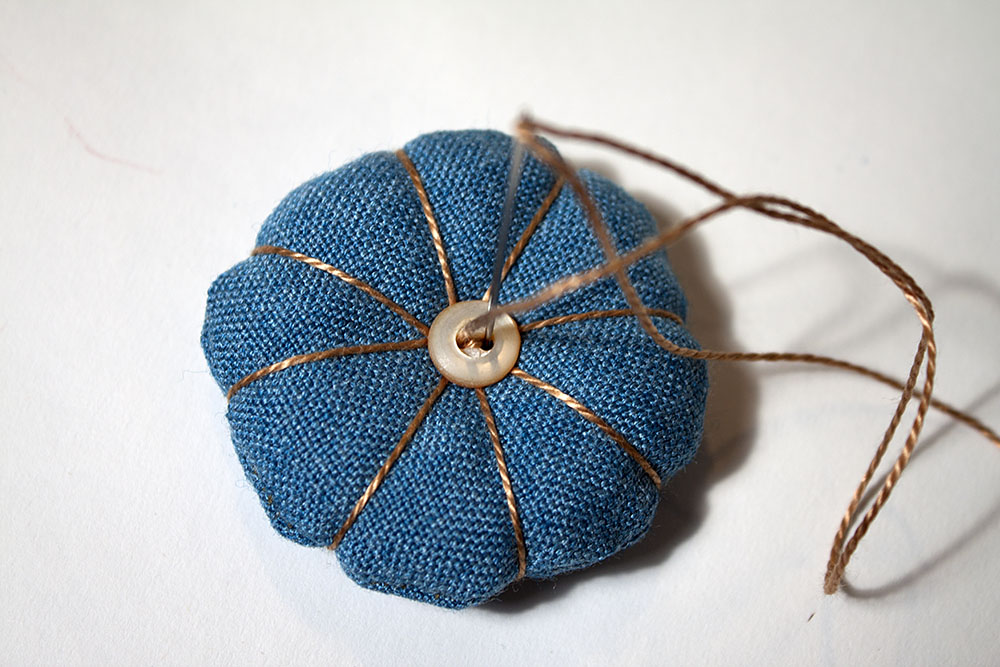
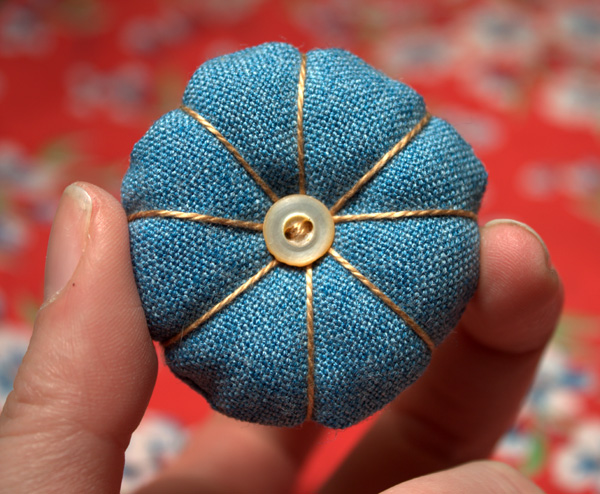
Put your final threads in the middle of each quarter, so you end up with 8 segments. Now you’re ready to finish it off with buttons. I used two tiny mother of pearl buttons from my collection. Thread the button on, then run the thread through the other hole to the bottom of the cushion. Put another button on, and repeat, so that you end up with the thread coming out of one of the holes of your top button. Run the thread through the buttonhole, and bring your needle out under the button, without going back through the pincushion. Wrap the thread around the thread shank that holds the button three times, then hide your thread inside the pincushion. You’re done!
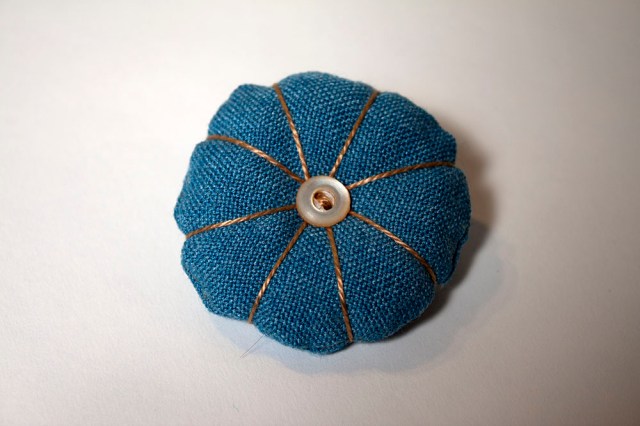
If you have any questions, put them in the comments. I’m happy to help!—Loryn
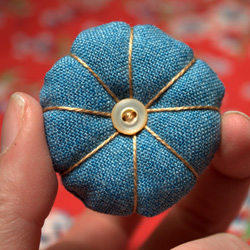
Miniature pincushion

Crafty Challenge 5: Two Hour Christmas Decor

We have just finished our Crafty Challenge 4 and are ready for number 5! This one is all about the time of year. From around now until Christmas, the Crafty Sisters begin to get secretive. We tend to stop discussing our projects with each other and mutter a lot, or at least I mutter a lot.

For us, this is crunch time for Christmas gifts and we do make a lot of them. In this vein, Crafty Challenge 5 is all about Christmas Decorations. We did need to limit this somehow and due to the whole Christmas crunch time I mentioned, the best idea was an actual time limit. So, the challenge is to create a Christmas decoration in less than two hours. We even set a specific time. December 4th – 10am until 12pm is the making time and the unveiling will be at 12:30pm. We can think all we want and purchase the supplies in the meantime, we just cannot start making the decorations until 10am.

To get us in a holiday mood, I thought some examples of a few of our past Christmas decorations was in order. So, get your mind in gear and get thinking (but don’t get making yet!).

Photo of white Christmas wreath.
Chenille pipe cleaner door wreath made by Cheri.
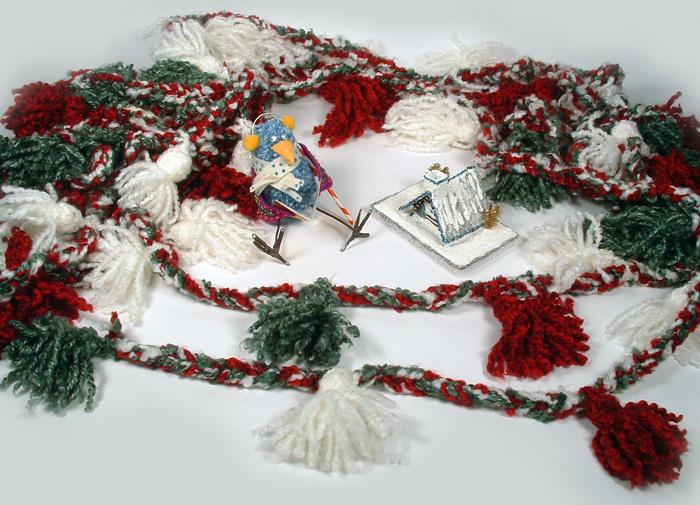
Photo of yarn garland, Choir Bird and winter A-Frame house.
Garland by Kristin, Choir Bird and Winter A-Frame by Cheri.
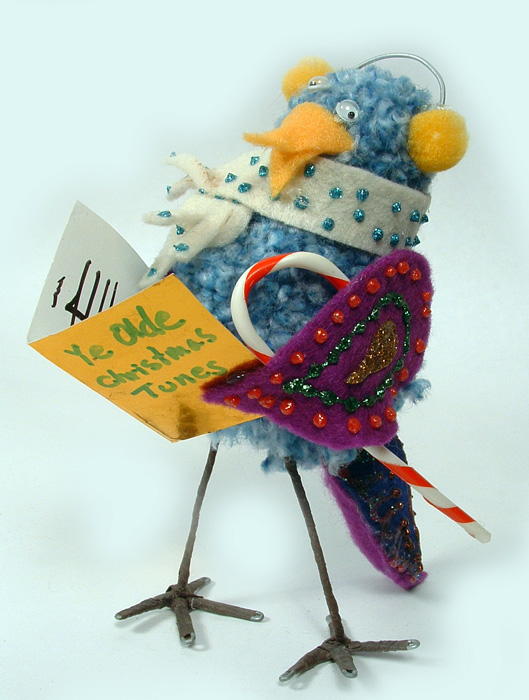
Photo of bluebird singing carols.
Choir bird made by Cheri.
Photo of winter A-Frame scene.
Miniature A-Frame winter scene made by Cheri.
Photo of snowman ornament.
Snowman ornament made by Cheri.
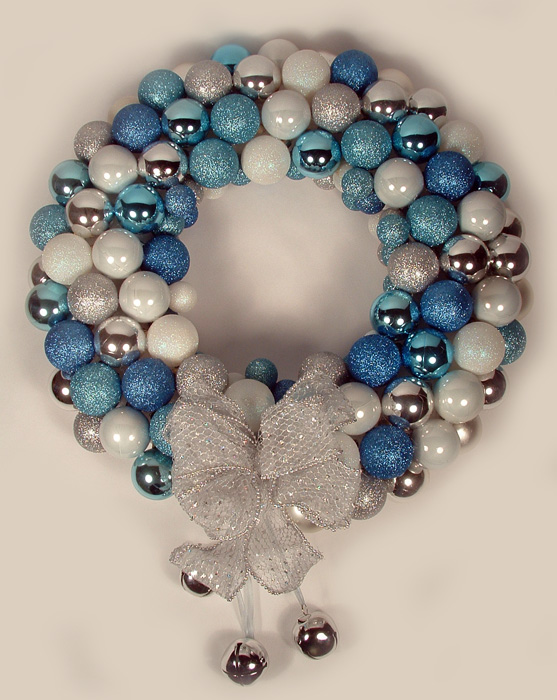
Photo of ornament wreath.
Ornament door wreath made by Kristin.
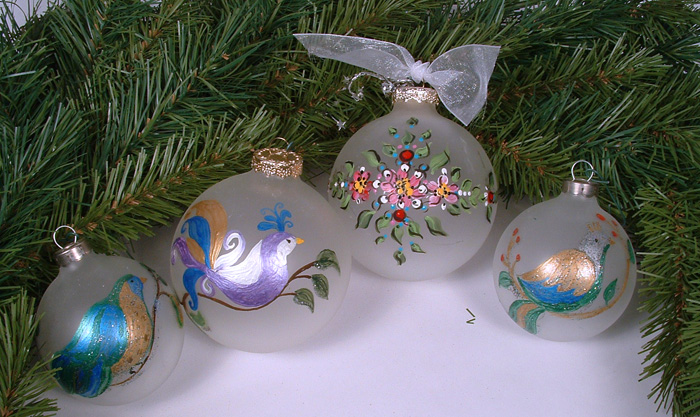
Photo of painted bird ornaments.
Painted bird ornaments made by Cheri.
Photo of silver ornament and twig decoration.
Silver ornament and twig door decor made by Cheri.

If you have any questions about any of the above decorations or would like to know how they were made, ask us! You can email us in the Contact Us section of the blog.

These were all decorations I had in my Christmas storage and I realize that almost all of them were made by Cheri. You can definitely see who we will be comparing ourselves to. Wish us luck and you get crafting!

Crafty Challenge 4: Willis Inspired Laptop Bag

WooHoo! I actually managed to get this Crafty Challenge finished a little early. For me, that is monumental (at least compared to my past Crafty Challenges).

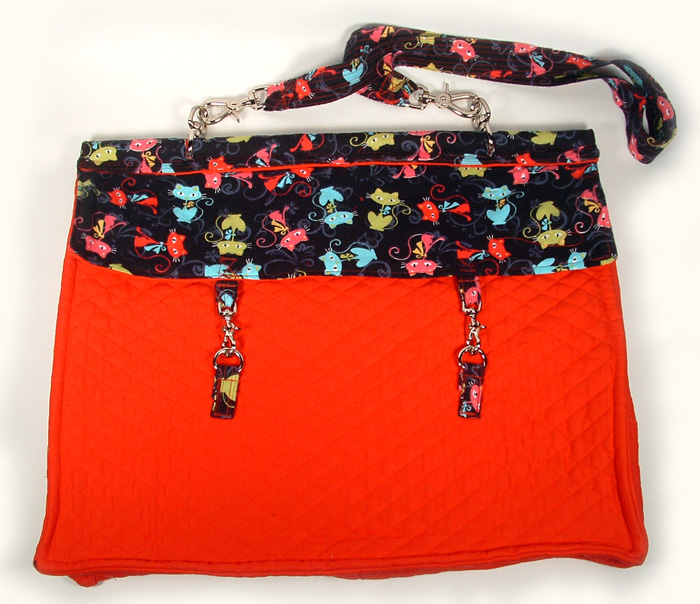
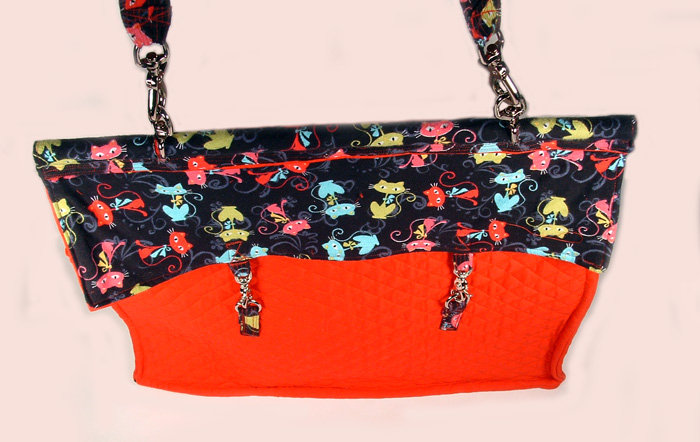
The challenge this time was to use the Coach Willis Handbag for inspiration and create something in that spirit. It could be any medium and any size. I tried several mediums, but seemed to have the best luck when I finally went to fabric. Then I had to decide what size I wanted, so I needed to find a purpose for my bag. I have a large laptop (it has a 17″ screen and the keyboard includes a separate number keypad)  that I have never been able to find a bag that I liked and that would protect it, that I liked. So, with that in mind, I was going to make the Willis inspired laptop bag.

Photo of my incarnation of the Coach Willis Handbag.

I had some really cute flannel kitties fabric and some matching pre-quilted red fabric that would be perfect for padding. After looking at my dogs, I realized that I would be better off if I put the flannel on the inside to help keep some of the hair on my new bag to a minimum. I did draw a sketch, but for the most part, I made it up on the fly. You should know though that I have seen many bags made by Loryn and Cheri, so I had some idea of how to go about this, I wasn’t completely in the dark.

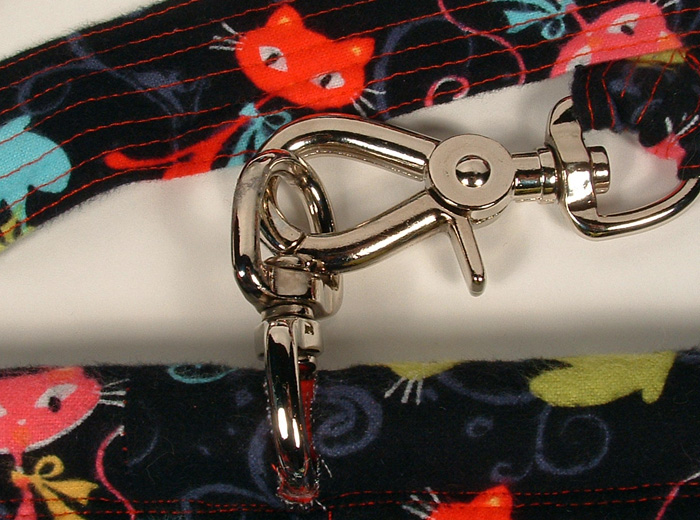
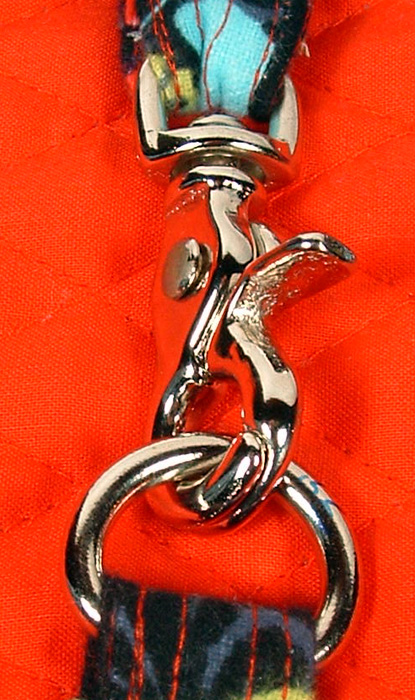
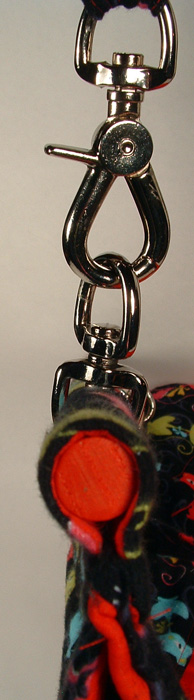
Photo of handle and hardware at the top of the bag.
I just love that hardware!

I made the handle first as I wanted to use Loryn’s quilting idea to help reinforce the handle. The body was next and man, do not use denim Singer needles on medium-weight fabric, no matter how many layers you are sewing through. I trashed three needles very quickly. Once I switched to heavy-duty, medium weight needles, I had no problems whatsoever.

Photo of bottom of bad and imitation piping.

Photo showing inside of bag and cute kitten flannel fabric.

I made all the parts of the bag like pillows (right sides together, sew the edges and pull right-side out) and was very good about ironing everything. I am always surprised by how much of a difference ironing makes. Suddenly your project goes to the next level of wow and looks clean and (mostly) well made. Please keep in mind I am not the best seamstress. I tend to keep to pillows and curtains which are really just squares and rectangles with no real finesse (or at least the way I make them).

Photo of closure hardware.

Photo of strap hardware.

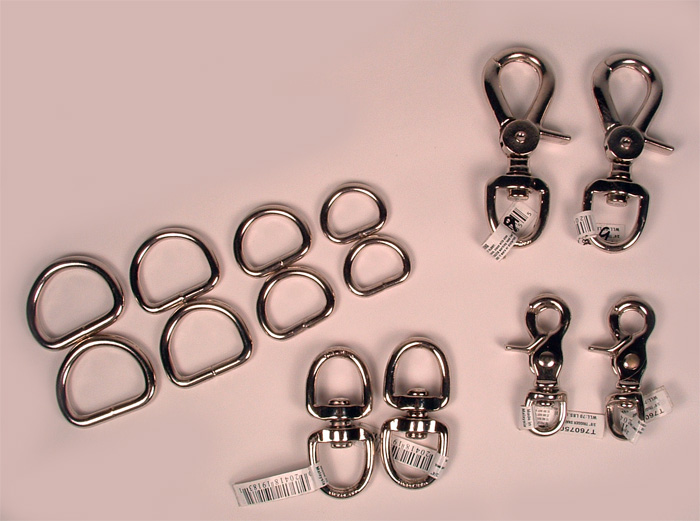
I did manage to find some excellent hardware for my bag at Kleindorfers. This is the hardware store I spent so much time in for our second Crafty Challenge. It really helped that since that challenge, I really know their stock. They are so helpful and they don’t look at you funny when you giggle and cackle with glee when you find such a wonderful hardware selection, they laugh and see if there is anything else you need.

Photo of hardware found at Kleindorfers.

I also have to mention in here my gratefulness for cellphones, good cellphone plans and AT&T. I spent almost the entire day on the phone with Loryn yesterday. I looked it up on my phone and it came out to 6 hours and 44 minutes. It is so nice just to have someone to mutter to while working on a project. I also spent the morning cleaning and having someone to talk to while doing that always makes the job easier.
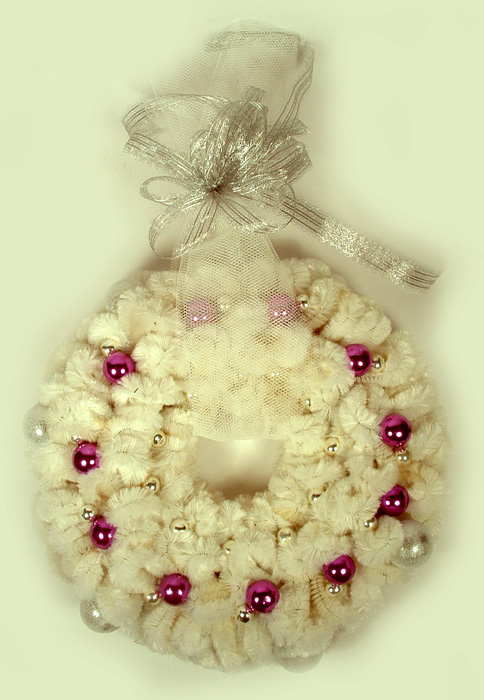
Photo of back side of bag.

Back to the challenge, I then proceeded to put all the parts together and it went much better than expected. I added the hardware and giggled the whole while (Really, I did. Ask Loryn.) The one problem I had was with the dowel rod I had picked up for the top of the bag. It wouldn’t fit the hardware I had decided to use. When I bought the hardware, I bought more than I needed as I was not quite sure how or which pieces I would end up using for the bag. That meant another trip to Lowe’s this morning for the next size down in dowel rods. I cut it to size and painted it red to help it blend in to to the bag.I did that this morning and voila! my bag was finished. Hooray! The finished size is 22 1/2″ wide by 19″ tall. It came out a lot bigger than I intended, but I do like it. I may adjust the size eventually, but for now it is great just the way it is.

Photo of bag in upright position.

And now on to family and food. Happy Thanksgiving everyone!

Crafty Challenge 3: Fast Food Folio

Fast Food Folio
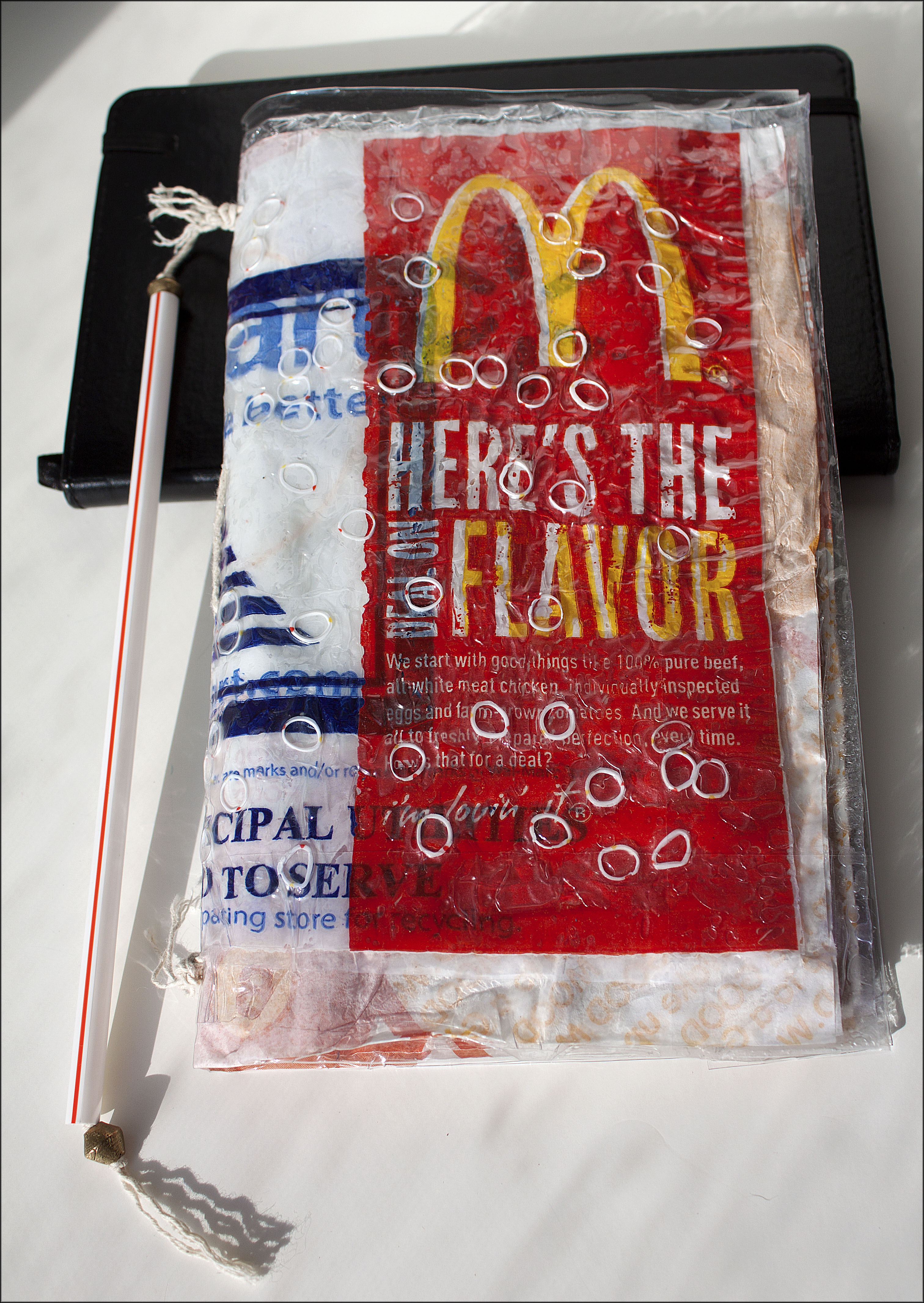
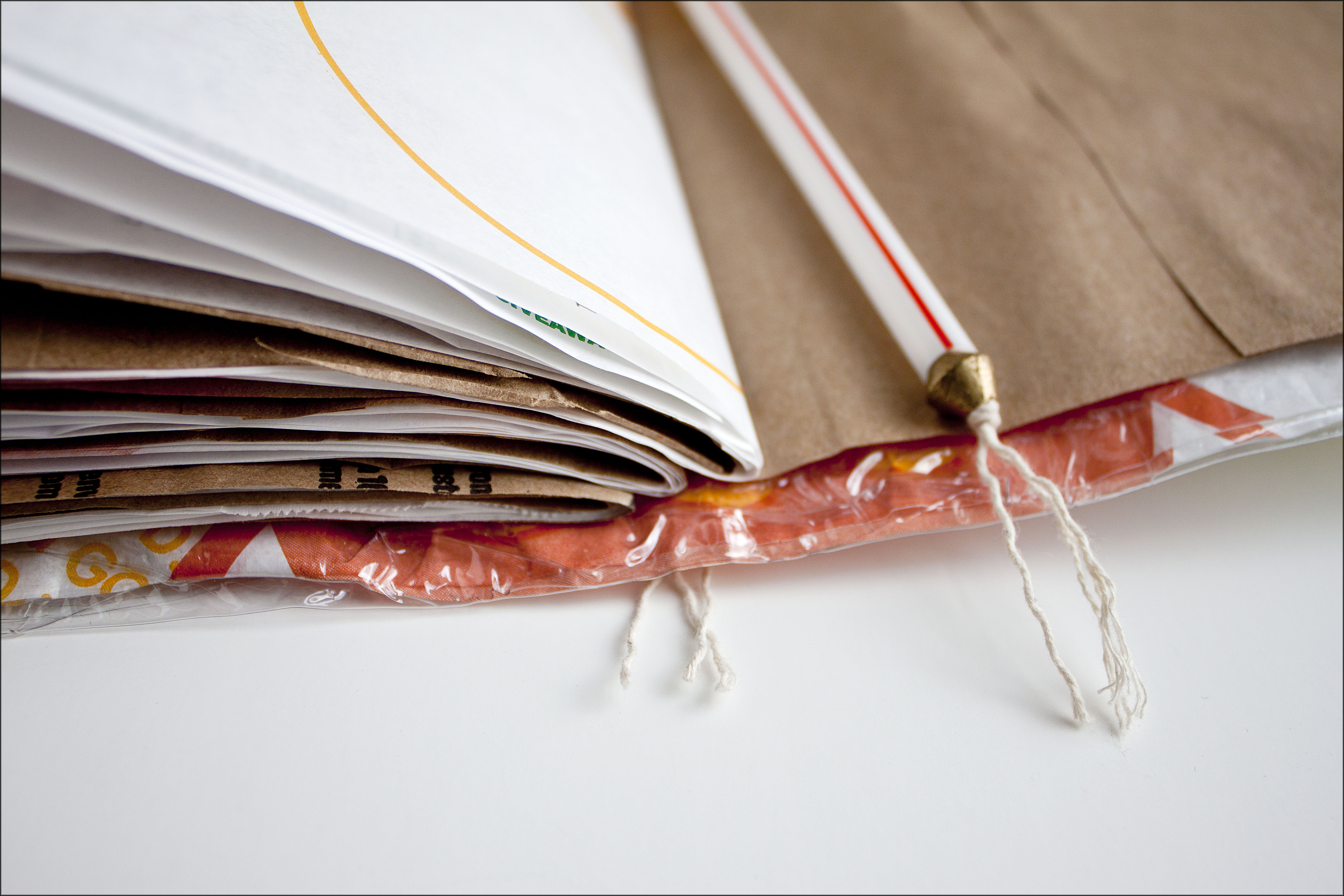
Front cover and bookmark drinking straw.

Crafty challenge number 3 is no one’s fault but my own. While I was making my hardware-store handbag for the last challenge, I began to think of a challenge that would be mostly confined to materials that were incidental to an item I had bought. Things that you do not buy to use, such as packaging materials, plastic sacks, and styrofoam drinking cups.

There were two materials that had particularly caught my fancy. One was sales slips. Every time I clean my car, I cannot believe how many slips I can accumulate in just a few days. The other was the paper wrappers that hamburgers and breakfast sandwiches come wrapped in. These materials are perfectly suited for their original purpose, but could I think of a secondary recycled purpose?

The sandwich wrappers are plasticized on one side and I thought that perhaps they could be used as an element in a plastic fused-fabric, but the sales slips proved harder to recycle. Sometimes when I don’t have any deposit slips, I’ll grab a sales slip from the floor of the car to write my information on, so I decided that they could be made up into some kind of notepaper.

Since I could only think of notepaper as a use for the sales slips, I knew I would need to make a notebook. I could use other types of wastepaper for additional pages and the various plastic items I had been saving could be used for a plastic fused-fabric cover. One unintentional consequence of this challenge was the ever rising pile of junk on my work table. Just as I found myself putting something in the recycling or the trash, I would think: “wait that may be useful.”

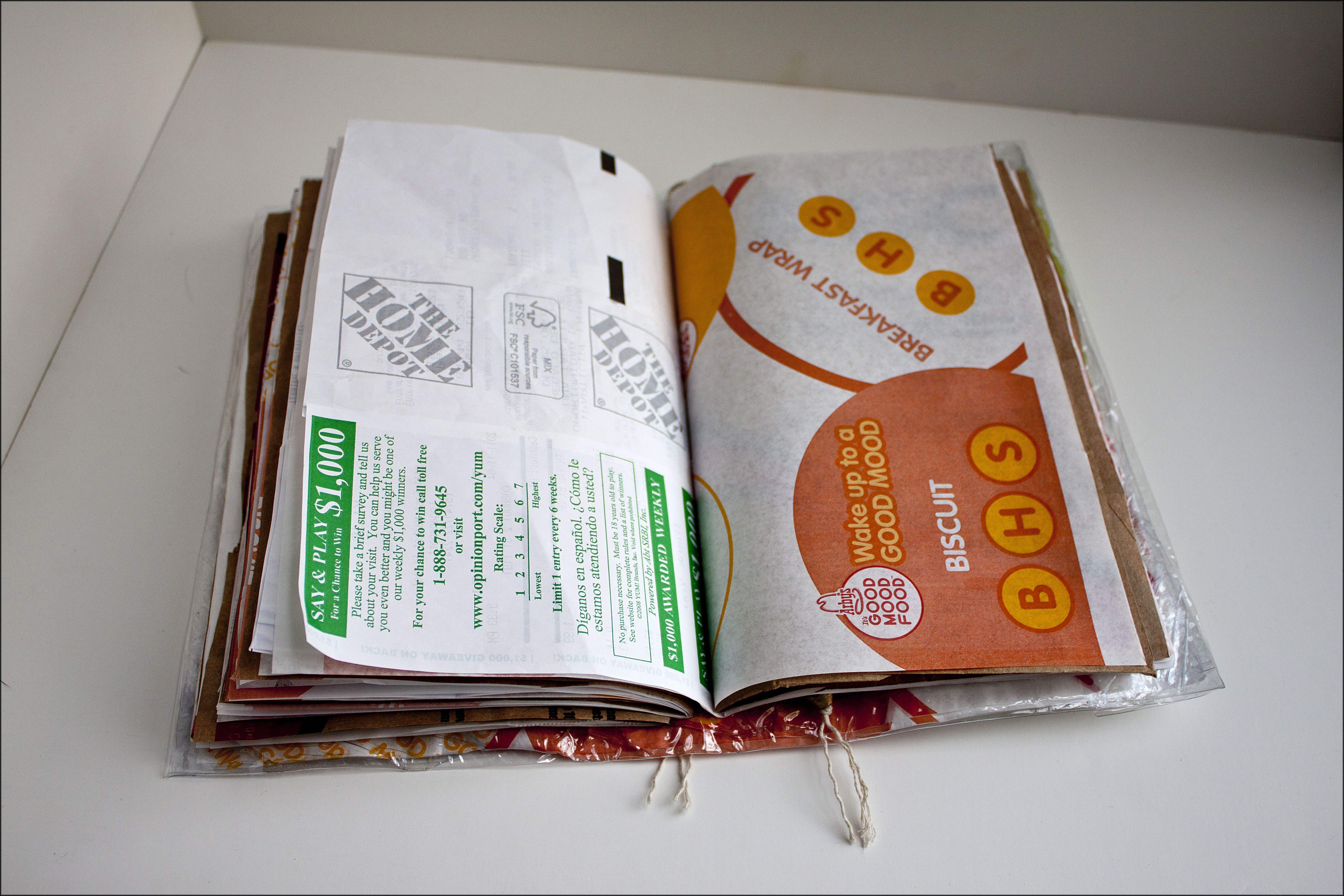
I decided that my “fast food folio” notebook would be composed of three signatures of paper. A signature is a sheet of paper which folds to page size and is then bound with other signatures to form a book. My signatures would be made from sales slips, paper fast food sacks and sandwich wrappers. I glued the sales slips into 8 1/2 inch by 11 inch sheets and cut the paper sacks and sandwich wrappers to the same dimensions. There was just enough material to make eight sheets of 8 1/2 by 11 inch paper per signature. When folded those 8 sheets gave me 16 sheets of 5 1/2 by 8 1/2 inch paper and with three signatures that gave me 48 sheets of paper in a notebook that would be approximately 6 inches by 9 inches with its cover.

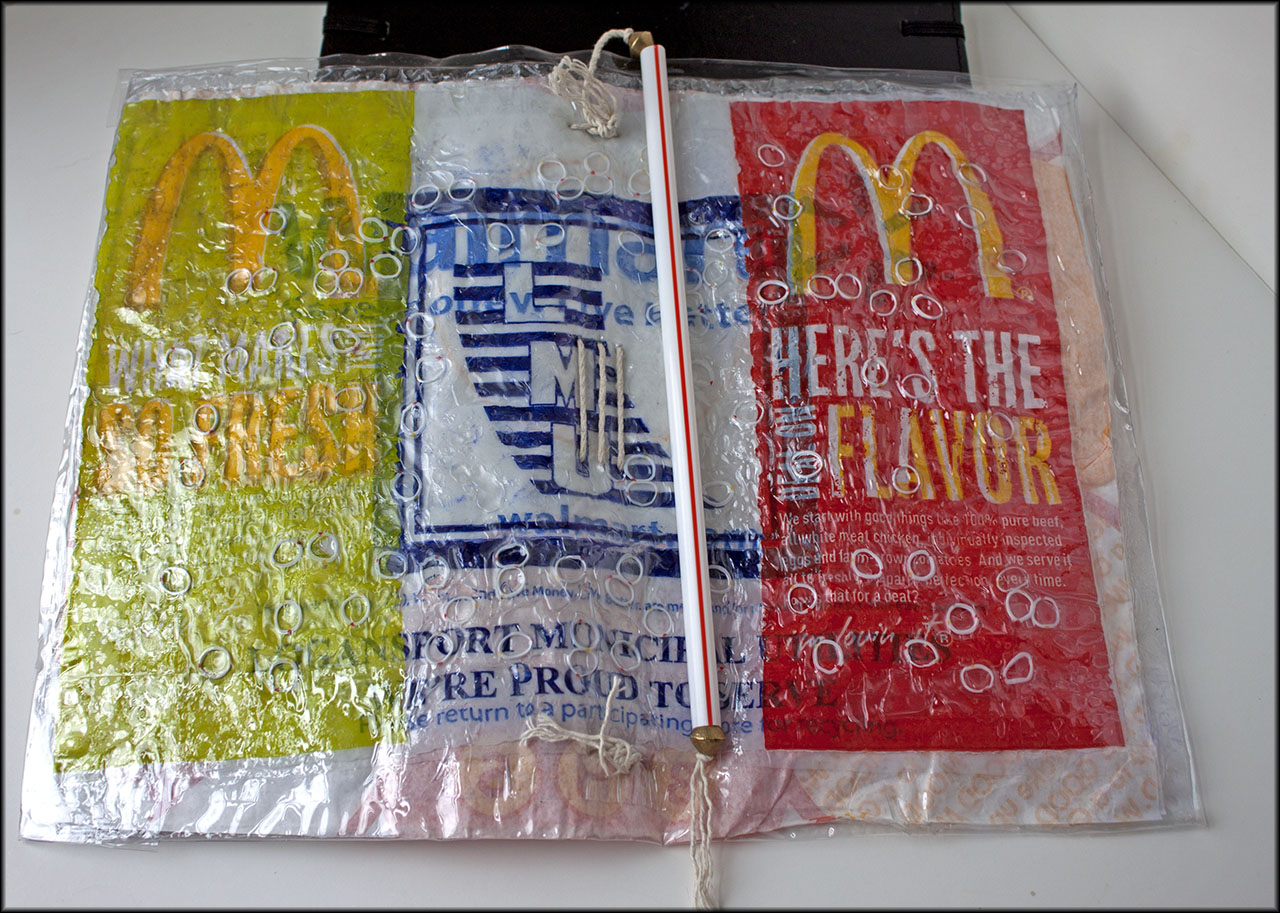
I decided that I would make the cover from layers of plastic bags, bubble wrap and sandwich wrappers. I wanted the bubble wrap to give the cover a honeycomb texture and to make the cover stronger. The plastic bags would provide the graphics and the sandwich wrappers were unique in that only one side is plasticized and I could use them as a protective layer on one side and a fusible layer on the other.

When fusing plastic into fabric some people use wax paper to protect their iron, but I believe that parchment paper is sturdier and less likely to become a part of the fused fabric.This fusing plastic bag tutorial  has excellent instructions. The one thing to remember is that when you start mixing different types of plastics, you can have unexpected consequences. Not all plastic materials melt at the same rate and at the same temperature. You have to keep experimenting and have some back-up materials in case a “shrink and shrivel” happens.

When I had the cover and the signatures made I sewed them together with a large-eyed blunt needle and cotton kitchen twine. I used beeswax on the twine to make it slide easier through the holes in the cover and the signatures. This youtube video ‘simple bookbinding part 1 and its companion video part 2 were the most helpful to me in explaining signatures and how to sew them to a cover.

Most of the time we keep our projects secret from each other but Kristin was in town and I did not wish to spend our time together alone in separate rooms while we worked on our projects. So Kristin saw my project and had some helpful ideas. I wanted to use drinking straws in my project and had experimented with melting them onto a sheet of plastic vinyl. The straws do melt, but not in the way I wanted. Kristin suggested slicing the straw into small circles and then melting them onto the cover. As you can see below, the idea worked extremely well and is quite decorative. She also suggested using a straw as a bookmark. I connected it to the end of the binding twine and used beads as stopper knots. That is the one problem with these challenges. We miss the feedback and suggestions from each other that make our projects just that one step better.

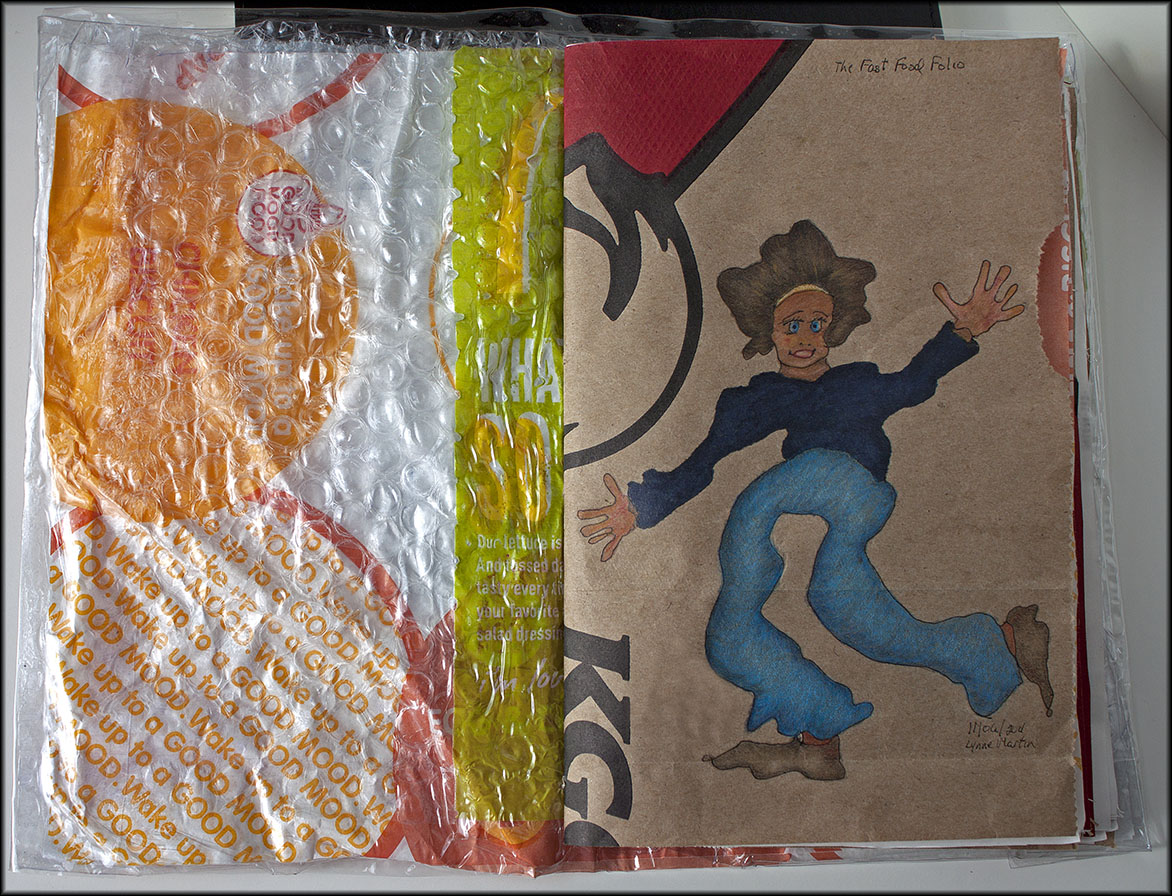
I am surprised by how good the plastic cover feels and by how sturdy it is. I was also very curious how the different types of paper would respond to ink, markers and colored pencil. The brown paper works very well for my squiggles and surprisingly so does the plastic side of the sandwich wrappers. However, the sales slips are treated to accept the ink of their cash registers and are hard on markers, pencils and ink pens. I am thinking of covering them with gesso and if that doesn’t work, a few collage pages will look very good in my notebook.

Our crafty challenges have challenged us in ways that we never anticipated. I have been surprised and amazed at the results. Enough so that we are already working on crafty challenge number 4.

Fast Food Folio
Outside cover and view of hand-sewn binding.
Fast Food Folio
Pages made of sales slips and sandwich wrappers.
Fast Food Folio
Detail of beads used to cap the drinking straw bookmark.
Fast Food Folio
Inside cover and first page with first squiggle on brown paper bag.

Crafty Challenge 3: Drinking Straw Necklace

Drinking Straw Necklace
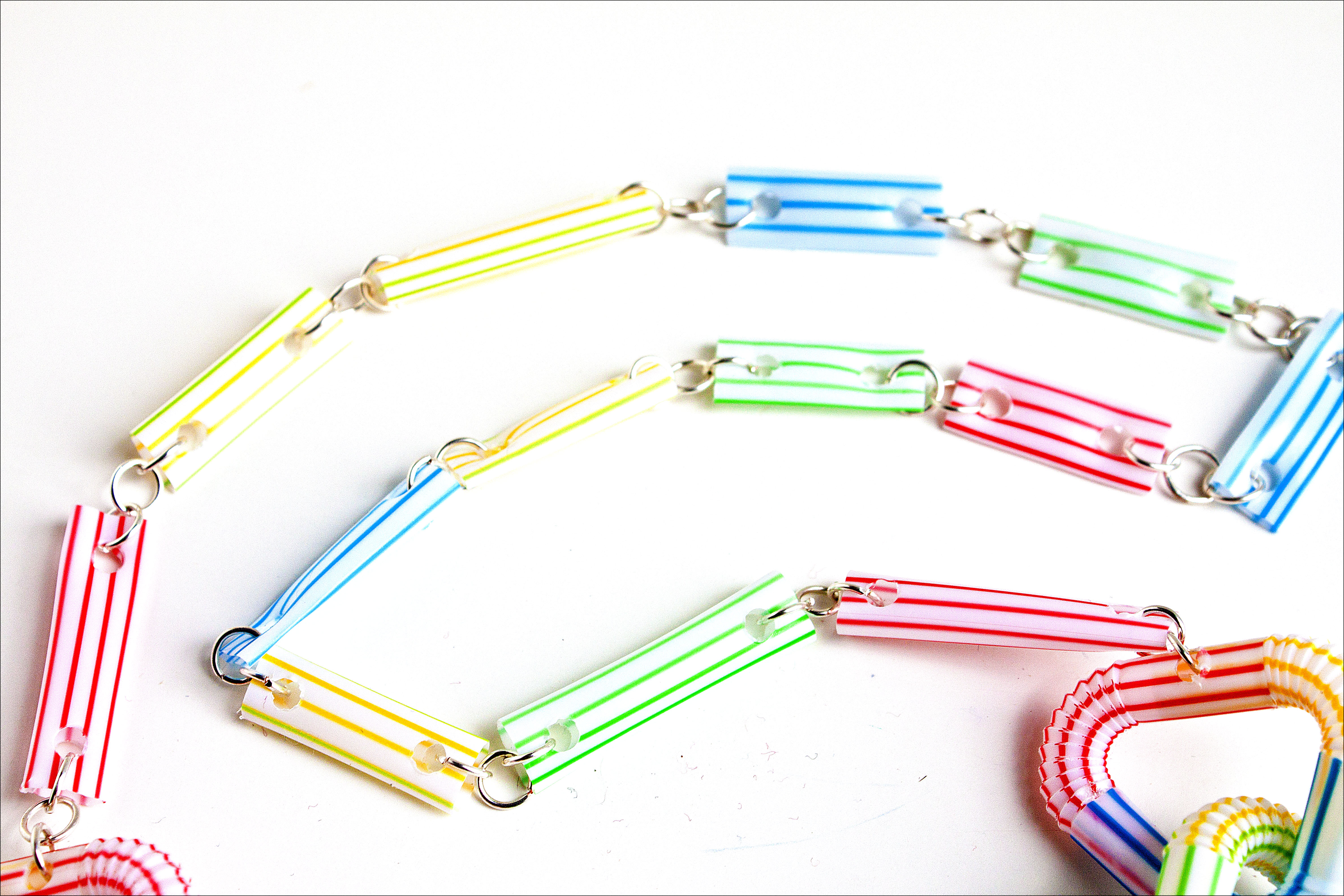
Drinking straw necklace with triangle and chain links.

Cheri: Wow, what a tough challenge number 3 was. I spent a week trying to figure out what I was going to make. I had all kinds of ideas floating around in my head and it really gave me a new perspective on how I looked at items that I was throwing out. With projects like this, I guess the hard part is just picking up something and working with it. It doesn’t always mean that you will like what you are making but each step will give you some insight into your final product.

I decided that I would make my project out of straws. So I grabbed a bunch of straws and started to cut them, bend them and punch holes in them. When I came to the flexible part, which I had discarded, I started to work with the curves. I finally decided that I was going to make them into triangles and I would link one into the other. I fiddled with them until I had the size I wanted and then I glued each one of the ends in to the other end.

I worked with the possibility of making them into a bracelet, which would be awesome, but I really wanted to make a necklace as I had been working with using the leftover portion of the straws as a link in a chain and I liked how it looked.

I love the way the necklace hangs. After I completed it, I started thinking about using straws in different colors or using clear straws. I even worked with a hole punch and put holes in the straws and was able to put other straws through the holes and build structures, like you would with Tinker Toys.

For all my misgivings about this project it ended up being a project with unlimited possibilities, and a go-to whenever I want to make a unique piece of jewelry that is really “out of the box”.

Drinking Straw Necklace
Close up of triangle links.
Drinking Straw Necklace
Close up of chain links.

Goblin Ball Halloween Costumes Pt. 2

Happy Halloween (again) to all our readers who celebrate this weekend (and Monday)!

This year my SO and I decided to be attendees to the Goblin Ball, from the movie Labyrinth and here is an excellent video of the ball scene (and yes, that is David Bowie as Jareth, the Goblin King).

In my previous post I talked about and had pictures of our masks. This post is all about the rest of my costume. I will start from the top!

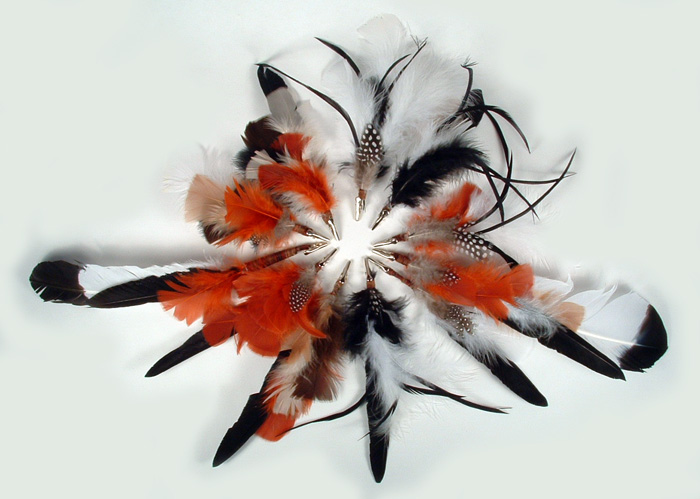
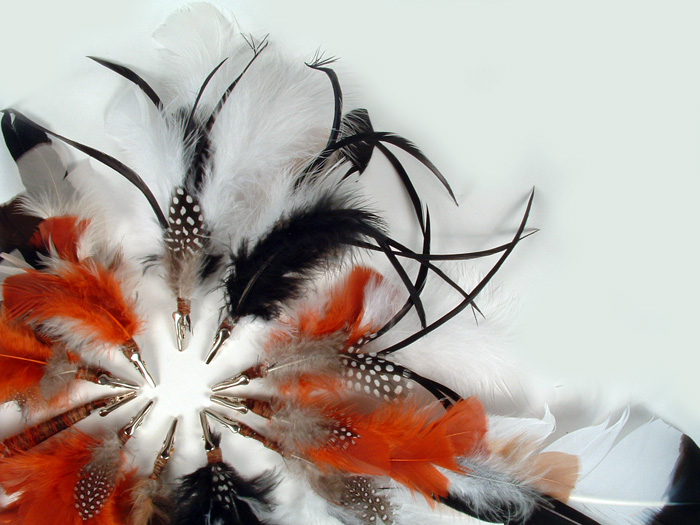
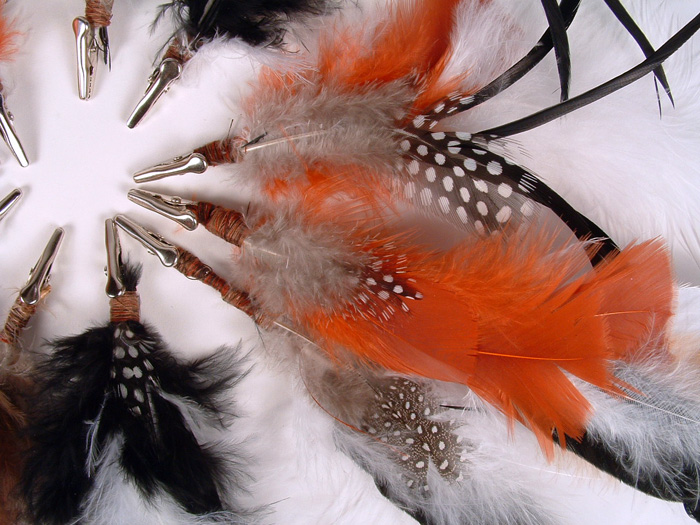
My hair is going to be huge. I have some blonde spray to put some streaks in it and made these wonderful feather clips to add volume, color and texture.

Photo of feather hair ornaments.

Photo of feather hair ornaments.

Photo of feather hair ornaments.

Feather Hair Decorations
Feathers wrapped around clips.

They were pretty easy to make. I bought a bunch of alligator clips and wound the feathers on with thread.

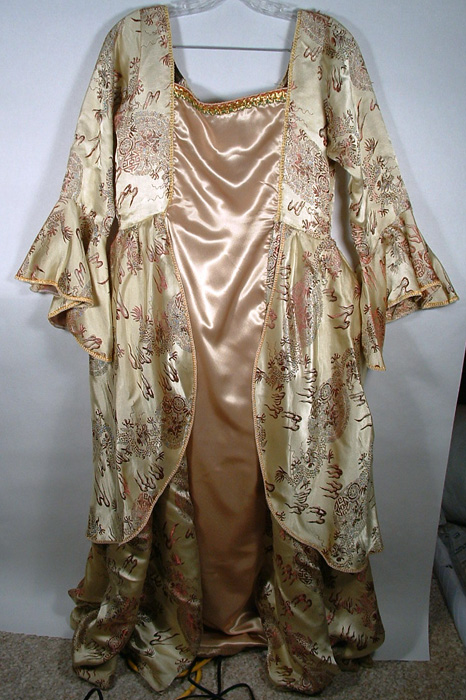
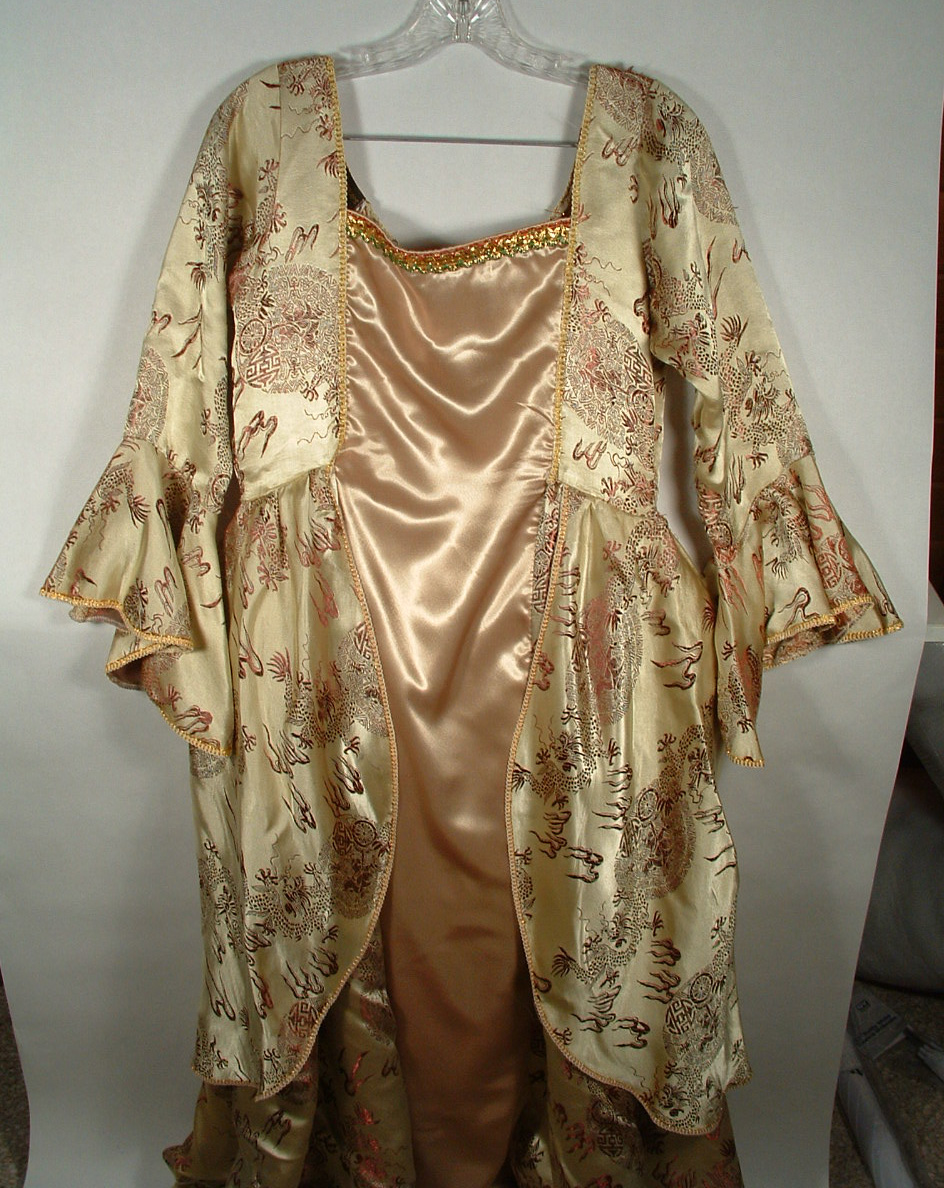
My dress was a bit trickier. My SO and I wandered around a bit and finally landed in a costume shop. There wasn’t much on the shelves that wasn’t Leggy Lane (sexy whatever) and I was getting a little disappointed. Then, one of the ever so helpful salespeople told me that since they are planning on moving to another location next year, they are selling as much of their rental costumes as possible so they don’t have to move them. This sounded promising and there it was, the perfect ballgown type dress. And even better, it needed some work which meant I could negotiate a price.

Photo of ball gown costume.

After talking to the owner of the costume shop (and making sure he saw the tears and problems), I got the dress for $15. I didn’t have to put too much work into it, it needed cleaned pretty badly and a couple of seams had ripped. So, thankful for polyester, I threw the dress in the wash, stitched up the seams and ironed it and it looks pretty good.

Photo of ball gown costume.

Photo of ball gown costume.

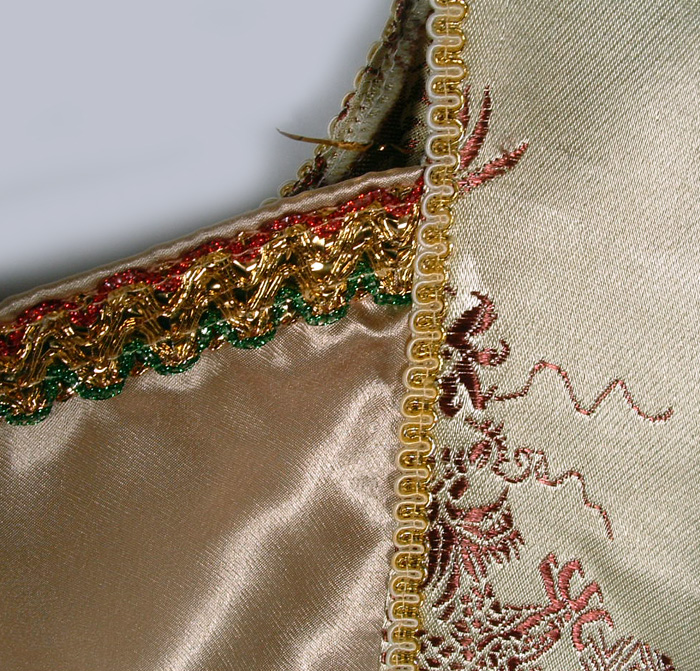
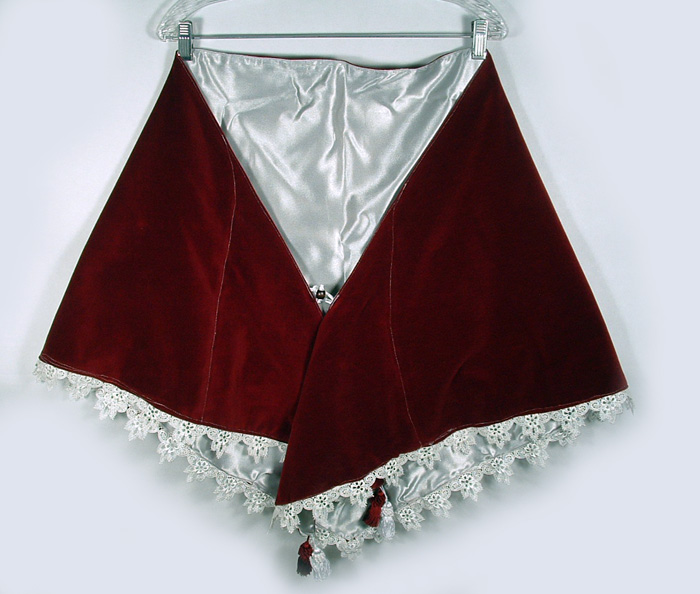
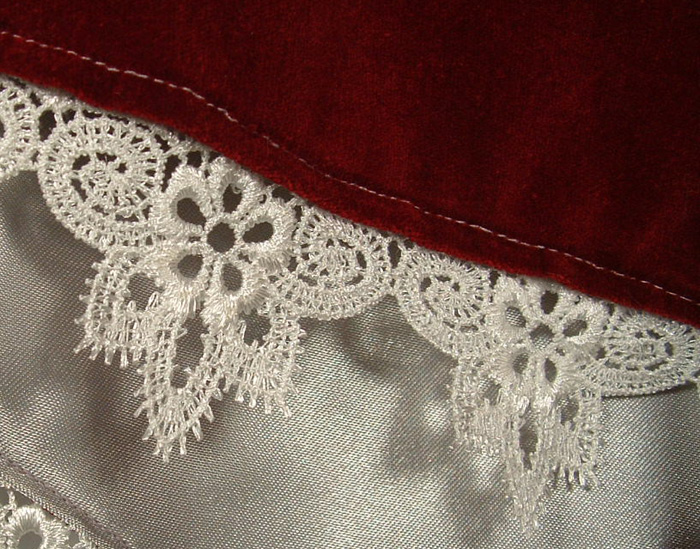
As Halloween was going to be a cold night I knew that I would be grateful for a wrap of some sort to put over my shoulders. I decided to splurge a bit and made myself a shawl of velvet and brocade with some pretty lace that I could use for regular use if I was so inclined. It is made of maroon royal velvet and silver brocade and has lace edging and tassels at the end corners.

Photo of velvet and brocade cape.

Close-up photo of lace on the velvet and brocade cape.

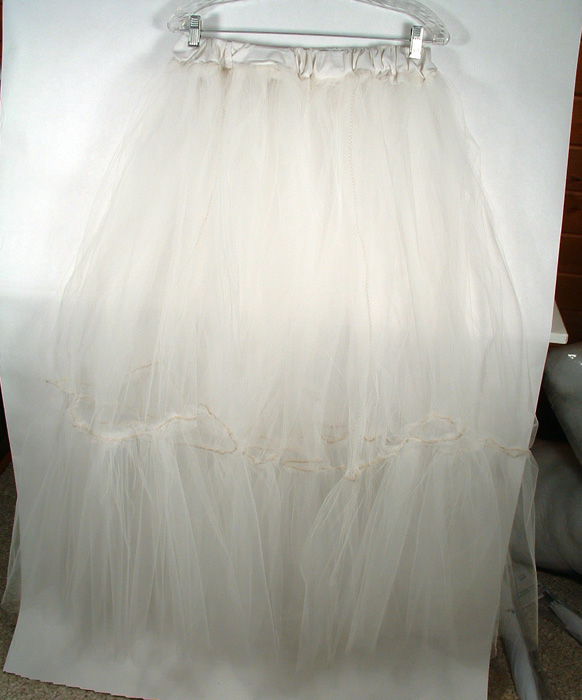
Under the dress was a little more interesting. I will state here that if I had any idea how hard tulle is to work with, I would have bought a crinoline (although I do like what I made much better than what I saw in the costume shop). For this, I looked at patterns before I made it. It came out pretty well, and I now have an off-white crinoline if anyone needs to borrow one.

Photo of crinoline.
It is so pale in color that it makes it a little hard to see here.

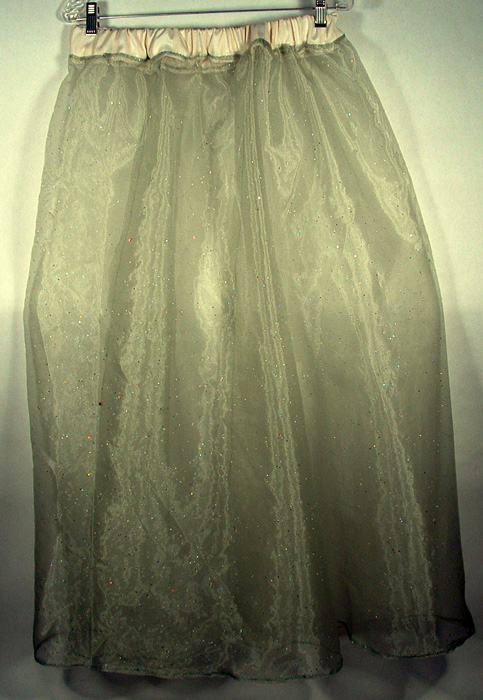
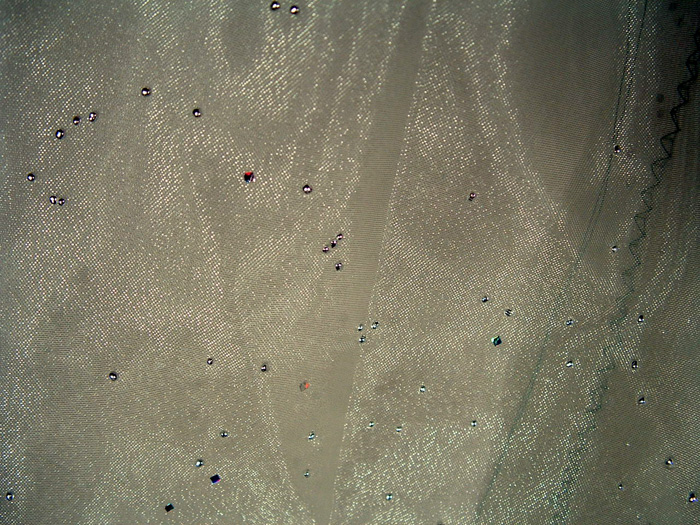
My only problem now was that the dress was really just a little too short for me and the crinoline really showed at the bottom. It wasn’t unattractive, just not what I had in mind. I thought, why not make any underskirt that would hide the crinoline and match the dress. I decided to make it out of some pretty green organza that has little sparklies all over it that I found at Joann’s (I have been to Joann’s practically every day for the past week).

Photo of organza underskirt.

Close-up photo of sparklies in organza underskirt.
Here you can see the sparklies in the organza.

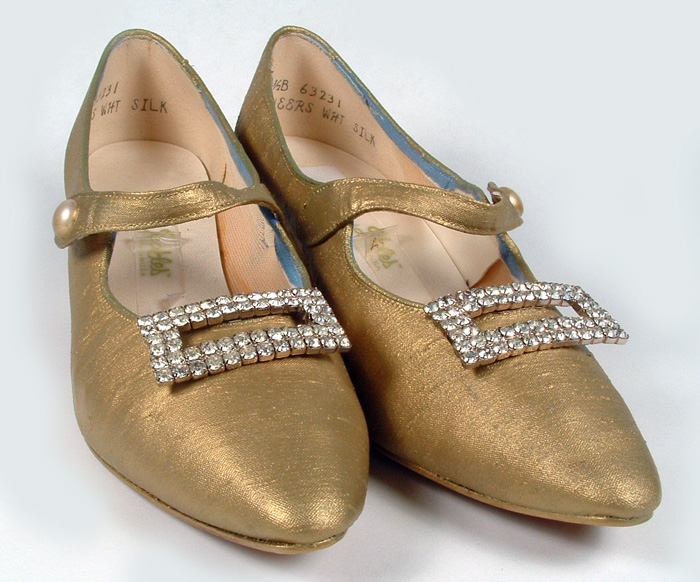
This brings us down to my shoes. I wanted something that would have a Victorian era (not that our costumes are even remotely accurate to the era), but wouldn’t cost much. One more trip to Goodwill found me the perfect shoes, in bright blue. This wasn’t a deterrent for me at all, especially as these are the dye-able type of shoes. I bought some fabric paint and painted those suckers gold and voila! The perfect shoes.

Now to make them even better, my M-I-L had these gorgeous rhinestone shoe buckles that are absolutely perfect. I love my family!

Photo of shoes.
You can still see a little of the bright blue color they were originally on the inside of the shoes.
Close-up photo of shoe buckles.
Aren

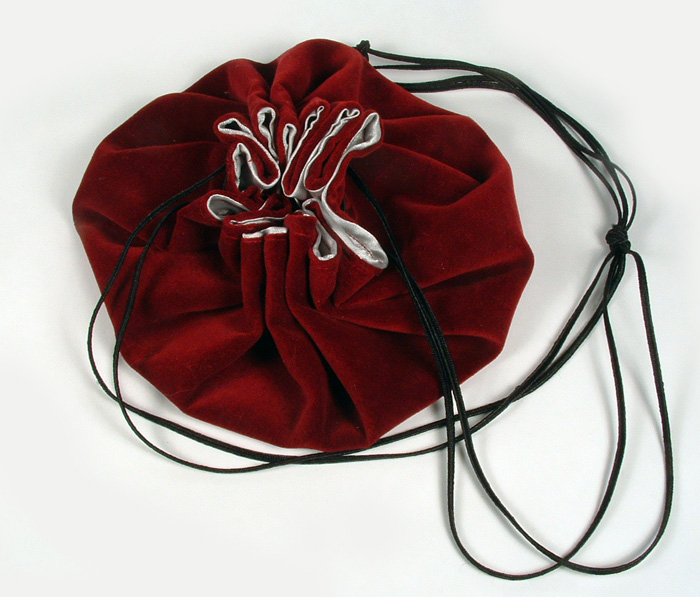
After all this, last night I was considering how on earth I was going to carry around any personal effects and decided to make up a quick drawstring purse to match.

Photo of drawstring purse.

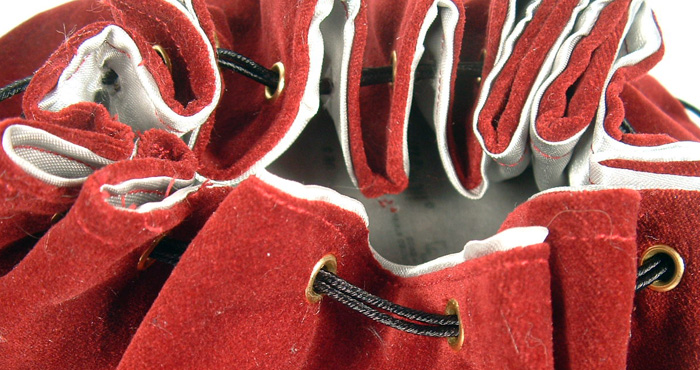
Close-up photo of eyelets on drawstring purse.
Here you can see the gold eyelets.

I cut a round piece from the same velvet and brocade used to make the shawl, sewed them right sides together, turned it (like a pillow), stitched the edges flat, made a medallion of cardboard for the inside and outside covered with the same fabric to give it shape (which I then stitched together), used some gold eyelets for the drawstring, threaded with some black cord and voila again! A great little purse for my cards and chapstick (and some touch-up makeup).

I cannot wait for tonight! I will post pictures of both myself and my SO all done up. This is going to be so much fun!